
-

How to Pass FAA Medical Exam: Tips and Requirements
- 24,Feb 2025
- Posted By : admin
- 0 Comments
How to Pass FAA Medical Exam: Tips and Requirements

Introduction
If you dream of becoming a pilot in the United States, passing the FAA Medical Exam is an essential step. The Federal Aviation Administration (FAA) requires all pilots to meet specific medical standards to ensure they can safely operate an aircraft. Whether you’re an aspiring student pilot or a seasoned airline captain, understanding and preparing for the FAA Medical Exam can make a significant
difference in your aviation careerUnderstanding FAA Medical Certificates
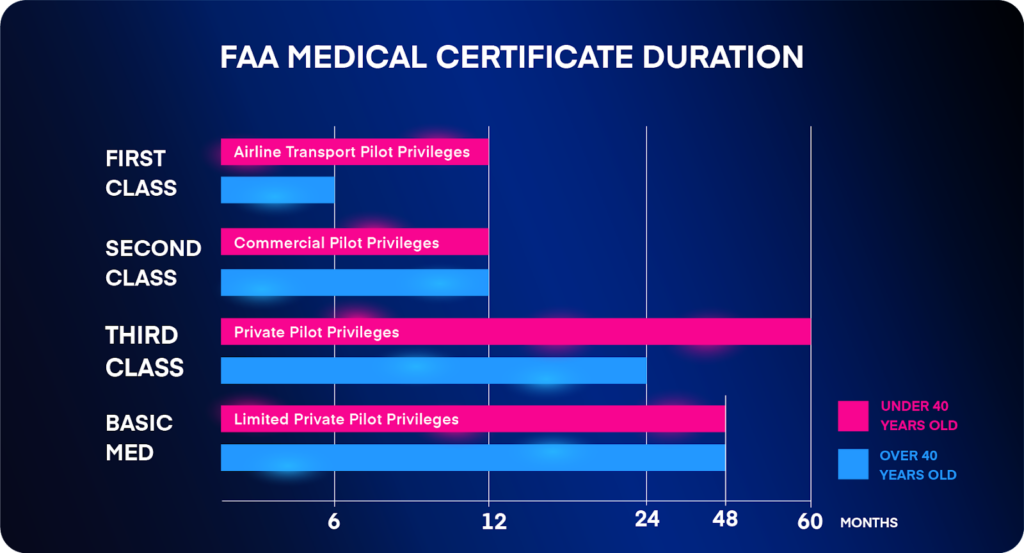
The FAA Medical Exam determines if a pilot meets the health and safety requirements necessary for flying. There are three classes of medical certificates:
1. First-Class Medical Certificate: Required for airline transport pilots.
2. Second-Class Medical Certificate: Required for commercial pilots.
3. Third-Class Medical Certificate: Required for private pilots and student pilotsEach class has different standards, with the first class being the most stringent. Knowing which certificate you need will help you prepare accordingly
FAA Medical Exam Requirements
The FAA Medical Exam covers multiple aspects of your health. Here are some key requirements:
General Health Requirements
• No severe or chronic illnesses that could impair pilot performance
• Good overall physical conditionVision and Hearing Standards
• Vision: Must meet specific visual acuity standards (20/20 for first-class, 20/40 for third-class)
• Color Vision: Must be able to differentiate colors necessary for flying
• Hearing: Ability to hear normal speech from a set distanceCardiovascular and Neurological Considerations
• No history of heart attacks, strokes, or other major cardiovascular issues
• No significant neurological disorders like epilepsyMental Health Requirements
• No history of severe psychiatric disorders
• Conditions like anxiety or depression may require additional evaluationHow to Prepare for the FAA Medical Exam
Preparation is key to passing the FAA Medical Exam. Here’s what you should do:
1. Get a Pre-Exam Checkup: Visit your doctor for a general health review.
2. Review Your Medical History: Be honest about past conditions and treatments.
3. Check Your Medications: Some medications can disqualify you, so consult an aviation
medical examiner (AME) beforehand.
4. Stay Hydrated and Well-Rested: Avoid alcohol, caffeine, and unhealthy foods before your
exam.What to Expect During the FAA Medical Exam
The FAA Medical Exam is conducted by an FAA-certified Aviation Medical Examiner (AME) and includes:
• Review of medical history
• Basic physical examination (height, weight, blood pressure, heart rate)
• Vision and hearing tests
• Neurological and cardiovascular evaluations
• Urinalysis for kidney function and diabetes screeningTips to Ensure You Pass the Exam
• Maintain a Healthy Lifestyle: Exercise regularly, eat a balanced diet, and get enough sleep.
• Manage Pre-Existing Conditions: Work with your doctor to control issues like high blood pressure or diabetes.
• Stay Up to Date with FAA Guidelines: Regulations change, so be aware of any new medical requirements.What If You Fail the FAA Medical Exam?
If you don’t pass the exam, don’t panic. You have options
• Appeal the Decision: You can request further evaluation from the FAA.
• Apply for a Special Issuance or Waiver: If your condition is manageable, the FAA may allow you to fly under certain conditions.
• Consider Other Aviation Careers: Roles like flight instructors or drone pilots may not require a medical certificate.Conclusion
Passing the FAA Medical Exam is crucial for any pilot. By staying informed, maintaining your health, and preparing adequately, you can improve your chances of obtaining your medical certificate and pursuing your aviation dreams. Always consult an AME if you have any health concerns before your exam.
FAQs
1. What medical conditions disqualify you from passing the FAA Medical Exam?
Conditions like epilepsy, severe heart disease, or uncontrolled diabetes may disqualify you.
2. How often do you need to renew your FAA Medical Certificate?
First-class: Annually (or every six months if over 40). Second-class: Every 12 months. Third-class: Every 24-60 months, depending on age.
3. Can you still fly if you don’t pass the FAA Medical Exam?
Not as a commercial or private pilot, but you may still be able to fly under sport pilot rules, which require only a driver’s license
4. What medications are prohibited for FAA pilots?
Many psychiatric medications, certain painkillers, and some heart medications may be restricted.
5. What happens if you lie on your FAA medical application?
Lying on your application can lead to disqualification, fines, and even legal consequences.